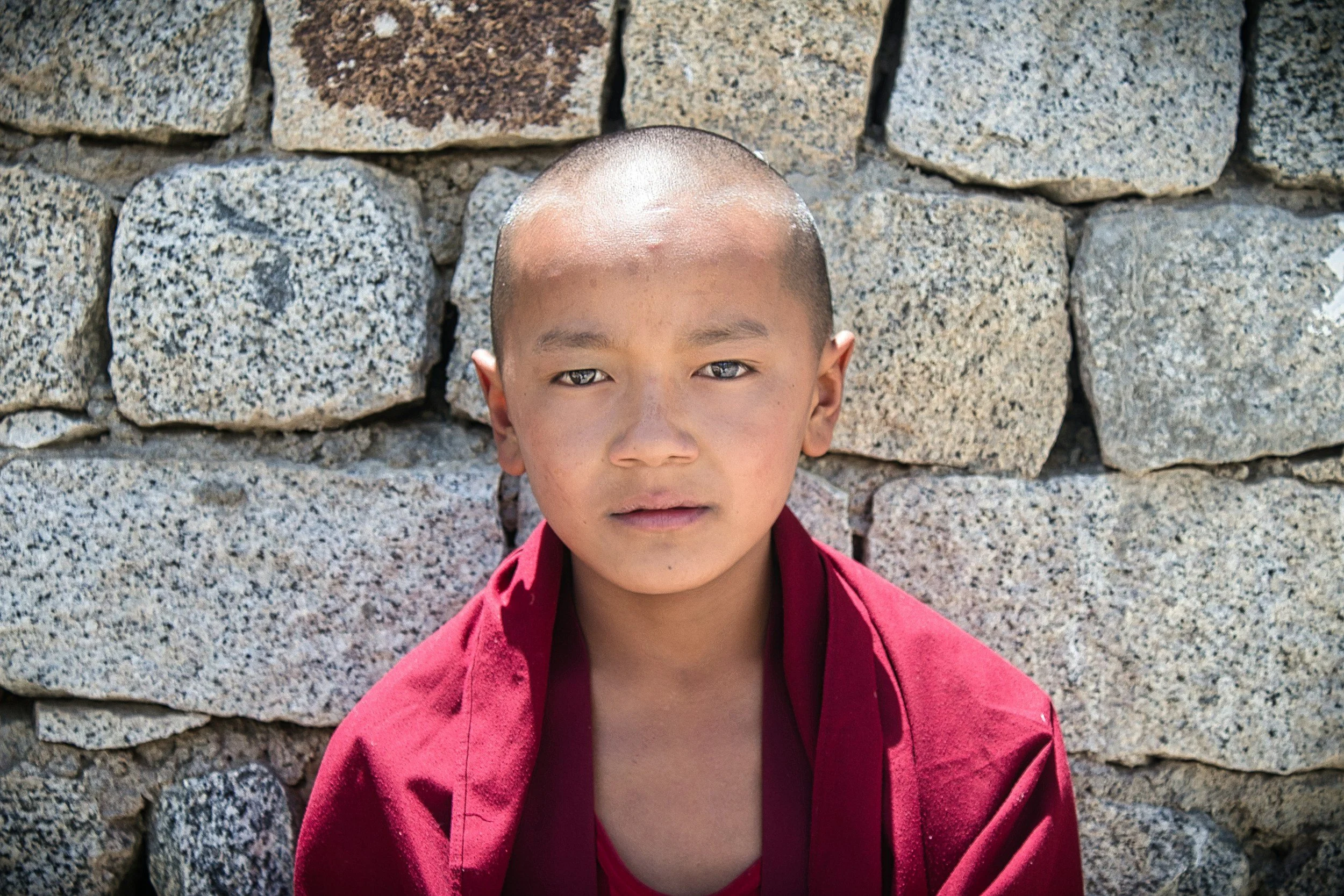
Tibet matters deeply for human rights, culture, environment, and global stability. Under Chinese rule, Tibetans face severe restrictions on speech, religion, and movement, with peaceful dissenters imprisoned—without ever consenting to this control. Their ancient, unique civilization, enriched by Tibetan Buddhism’s global gifts of mindfulness, compassion, and nonviolence, endures systematic erasure through destroyed monasteries and forced assimilation.
As Asia’s “water tower,” the Tibetan Plateau sustains over 1.5 billion people via its rivers and glaciers, while holding critical minerals (lithium, copper, rare earths) and renewable energy potential vital for the world’s clean energy future. Warming twice as fast as the global average, it faces growing threats from mining and dams, impacting Asia’s climate and biodiversity.
Geopolitically, Tibet’s annexation fuels regional tensions (especially India-China) and serves as a testing ground for repressive tactics. Supporting Tibet is not anti-China—it is a stand for justice, self-determination, human dignity, and the principle that cultural erasure and oppression cannot be ignored.
Suppression of freedoms: Tibetans have faced decades of restrictions on their speech, religion, and movement under Chinese rule.
Political prisoners: Peaceful advocates, including monks and writers, are imprisoned or disappear for expressing dissent.
Self-determination: Tibetans never consented to Chinese rule. The right of a people to determine their own future is a core human right.
Human Rights and Justice

Unique civilization: Tibet has a distinct language, script, history, and spiritual tradition going back thousands of years.
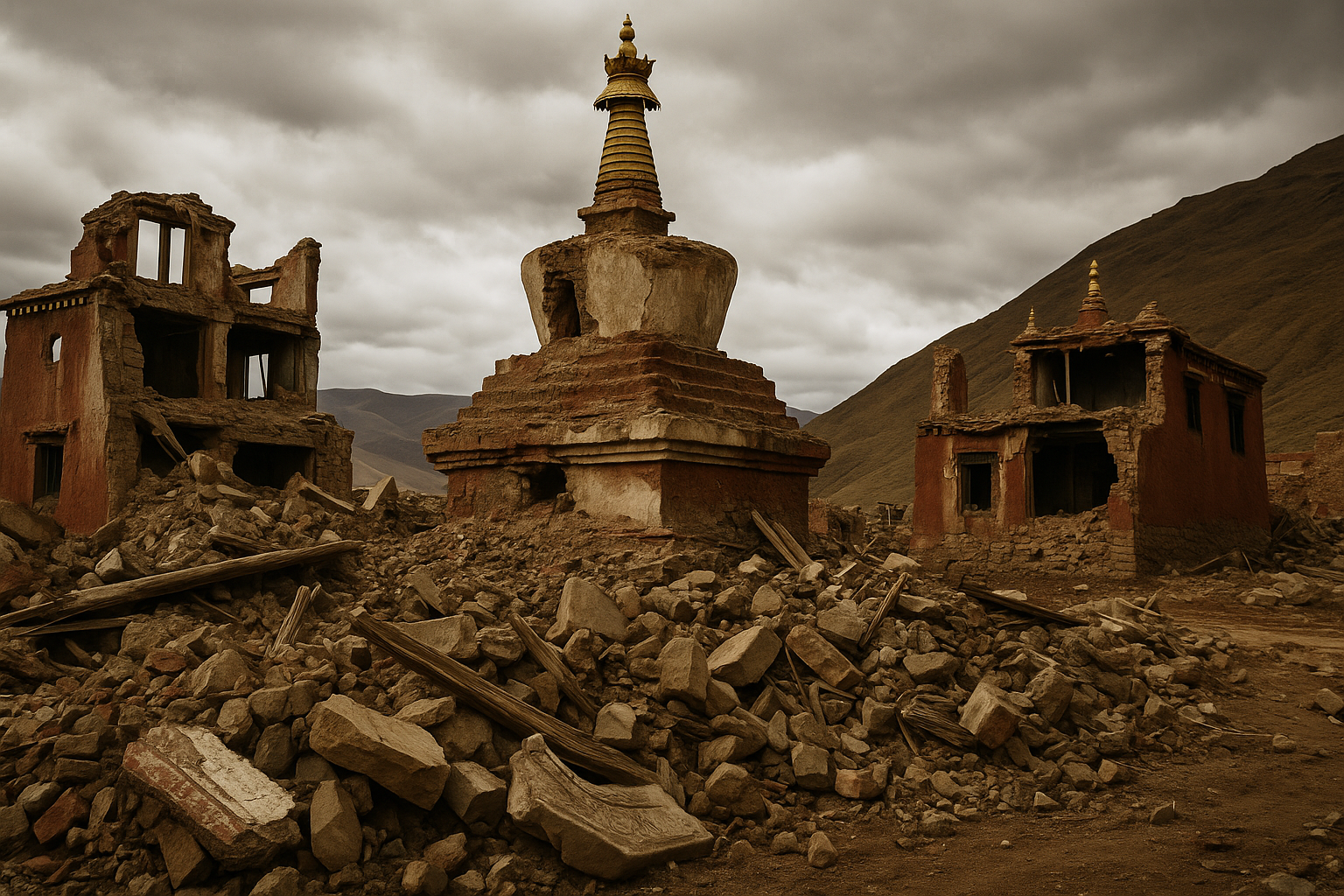
Systematic erasure: Over 6,000 monasteries were destroyed after the Chinese occupation in 1950. Efforts continue to dilute Tibetan culture through forced assimilation.
Living wisdom: Tibetan Buddhism has contributed greatly to global understanding of mindfulness, compassion, and nonviolence.
Cultural and Religious Heritage
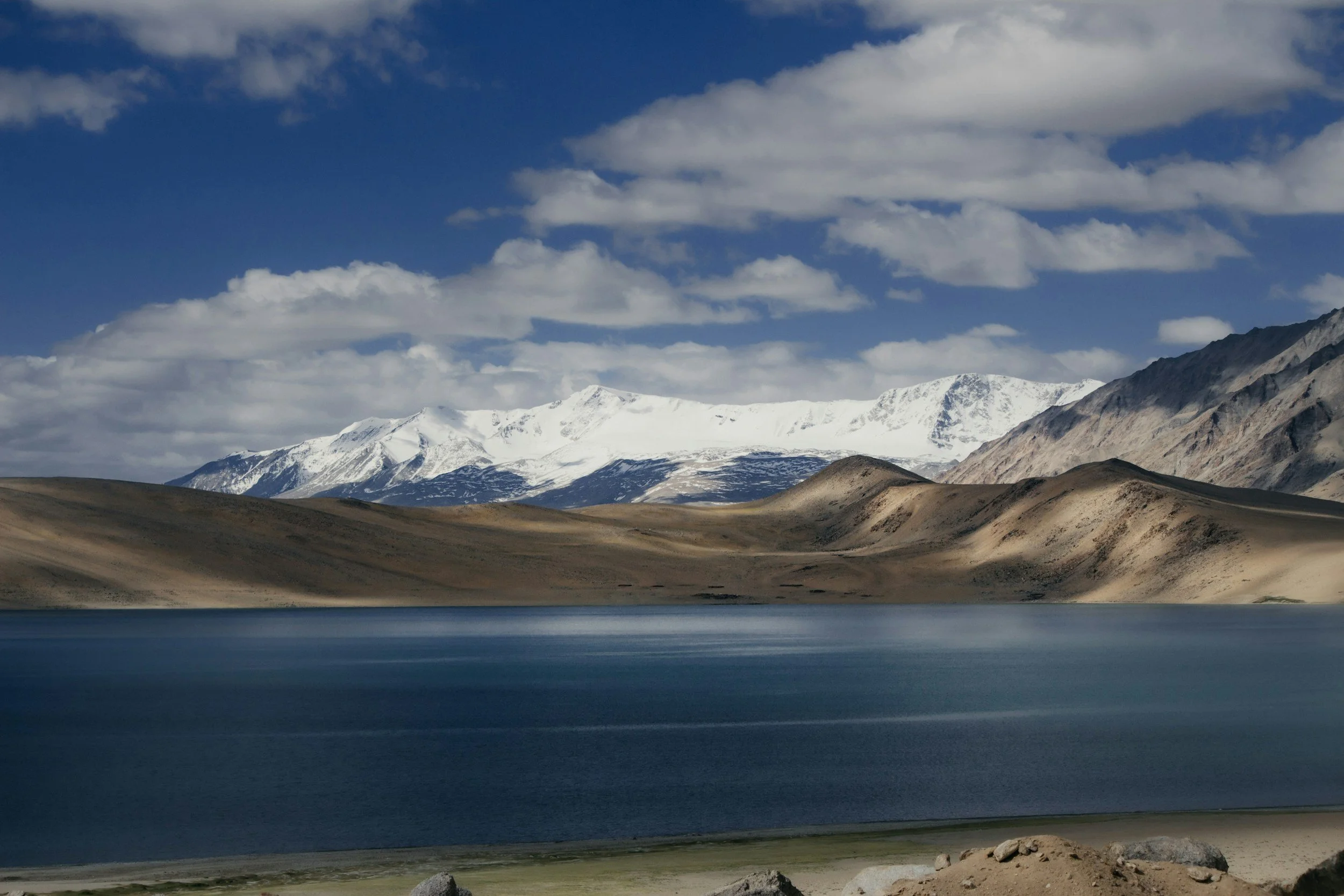
Tibet, known as the “Roof of the World,” is also Asia’s water tower and a vast storehouse of natural resources. Its geography makes it both an environmental lifeline and a strategic center in global geopolitics.
Asia’s water tower: Tibet’s glaciers and rivers supply water to over 1.5 billion people in Asia — including in India, China, Nepal, and beyond.
It holds rich deposits of copper, lithium, gold, Uranium and other rare earths, along with immense hydropower and solar potential. Its forests and ecosystems help regulate monsoons and preserve biodiversity, making Tibet central to Asia’s ecological balance and energy future.
Climate crisis: Tibet is warming nearly twice as fast as the global average. Dam-building, mining, and deforestation threaten this fragile ecosystem.
Environmental Importance & The Resource Heart of Asia
United States: Tibet’s minerals and water systems tie directly to clean energy supply chains and climate diplomacy.
China: Tibet fuels China’s industrial needs and hydropower network while serving as a strategic stronghold.
European Union: Tibet represents both an environmental priority and a moral issue in EU-China relations.
Asia: Downstream nations rely on Tibetan rivers for agriculture, livelihoods, and climate stability.
Asian Border tensions: Tibet’s annexation shifted the entire geopolitical map of Asia. Its militarization directly affects regional stability — especially India-China relations.
Precedent for oppression: Tibet is often seen as a testing ground for China’s repressive tools — surveillance, propaganda, and control — now deployed elsewhere (e.g., Xinjiang, Hong Kong).
Strategic and Geopolitical Implications

Moral Solidarity
Nonviolent resistance: Tibetans — under leaders like the Dalai Lama — have consistently embraced nonviolence, even after decades of oppression.
Preserving dignity: Supporting Tibet is standing up for the dignity of a people who continue to suffer for their beliefs, identity, and culture.

Global Responsibility
If we don’t care, who will? Ignoring Tibet sends the message that might makes right, and that cultural genocide is tolerable.
Standing with Tibet is not about being anti-China — it’s about being pro-justice, pro-peace, and pro-human dignity.