
Fighting with Truth since 1950
Tibet101 is initiated by a group of Tibetan professionals, including Tibet experts, researchers, and scholars, committed to providing credible, accurate, and evidence-based information about Tibet.
Historical Truths Against CCP’s Claims
-

Tibet & Yuan Dynasty
The CCP often claims Tibet has been part of China since the Yuan Dynasty (1271–1368). However, the Yuan was a Mongol empire, not Han Chinese, and its influence over Tibet was indirect and symbolic—primarily through patron-priest ties with Tibetan lamas—rather than direct administration. Tibetan rulers maintained substantial autonomy over government, laws, and taxation. -
Tibet & Qing Dynasty
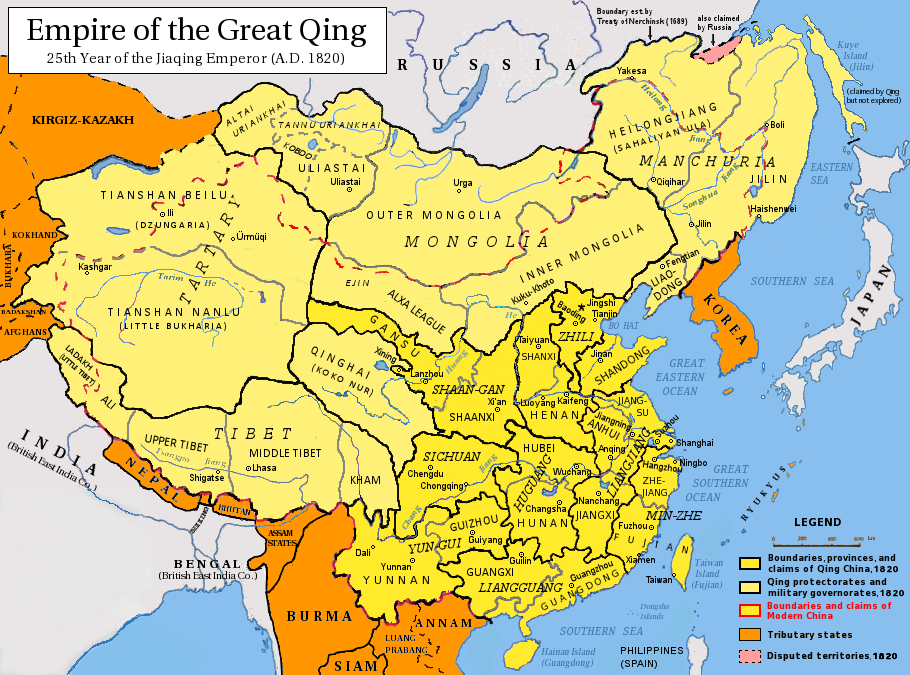
China claims Tibet was part of the Qing Dynasty, but the Qing were Manchu rulers whose authority over Tibet was mainly ceremonial and religious, not direct administrative control. Tibetan leaders retained full autonomy in governance, law, and foreign affairs, rendering Tibet de facto independent. Beijing's narrative wrongly conflates symbolic patronage with sovereignty, disregarding historical facts and international law.
-
Tibet (1912 - 1950)
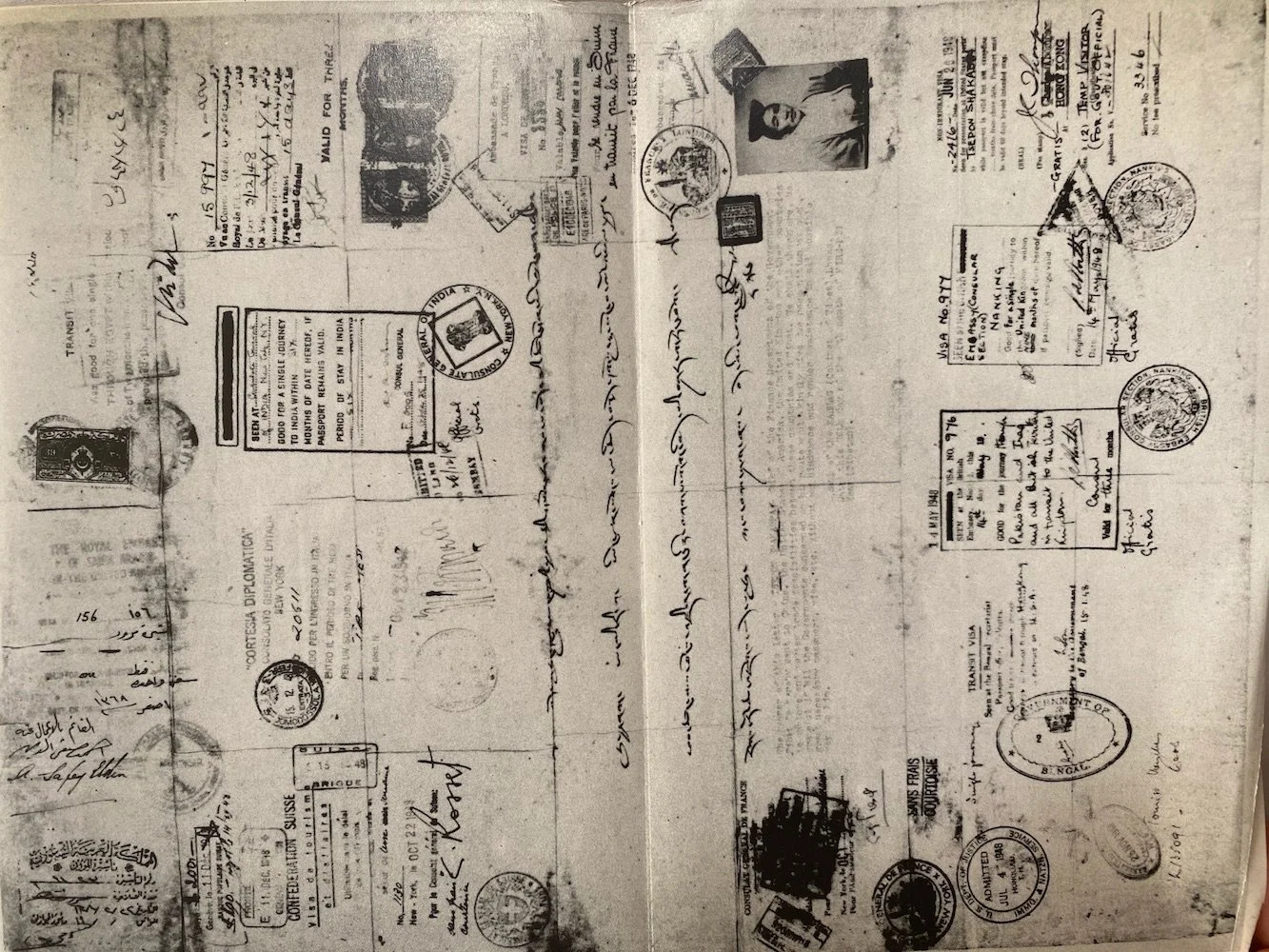
After the Qing Dynasty's fall in 1912, Tibet declared independence and functioned as a de facto sovereign state, with its own army, currency, treaties, and internationally recognized borders. Weakened China exerted no effective control, rendering its claims symbolic. Thus, the CCP's 1950 military intervention was an occupation, not a reunification.
Trending Now
-

Chinese Surveillance Is Strangling Tibetan Life in Nepal
China has effectively exported its surveillance state into Nepal, turning a former refuge for Tibetan exiles into a monitored extension of its control—silencing Tibetan identity, resistance, and escape beyond China’s borders.
-

How Tibet Was Bargained Away
Imperial power politics and India’s early accommodation of China’s takeover of Tibet enabled Beijing’s repression and militarisation of the plateau—destroying Tibetan autonomy while sowing the roots of today’s unresolved Sino-Indian border tensions and security risks.
-

Tibetan Abbot Disappeared as China Targets Cultural Education Under Sinicization Drive
Chinese authorities have forcibly disappeared a respected Tibetan abbot and educator in Qinghai and shut down his school, signaling Beijing’s Sinicization drive to crush Tibetan cultural preservation—even when it operates within state-approved frameworks.
-
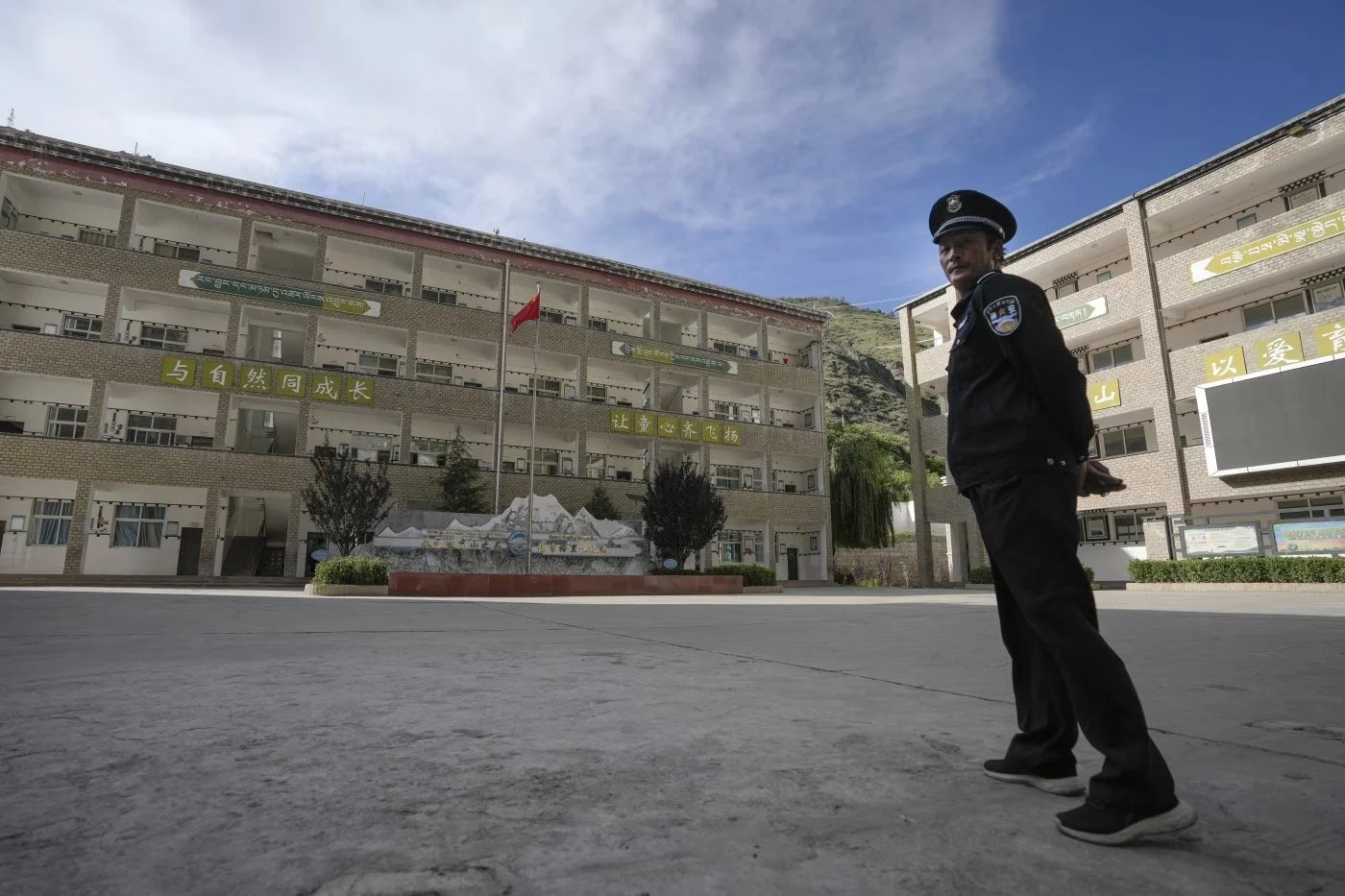
Tibetans Detained After Rare Protest Against Gold Mining in Sichuan
A Tibetan protest against mining on ancestral pastureland in Sichuan was met with mass detentions, communications blackouts, and ongoing arrests—highlighting Beijing’s escalating repression of Tibetan land rights, livelihoods, and environmental protection.
-

China Expands Ideological Indoctrination of Tibetan Schoolchildren
China is militarizing Tibetan schools and subjecting children to CCP indoctrination and weapons training, accelerating the erasure of Tibetan identity while grooming youth for loyalty and future military service under the guise of “education.”